
The Village That Went Underwater: The Story of Ayyappankoil
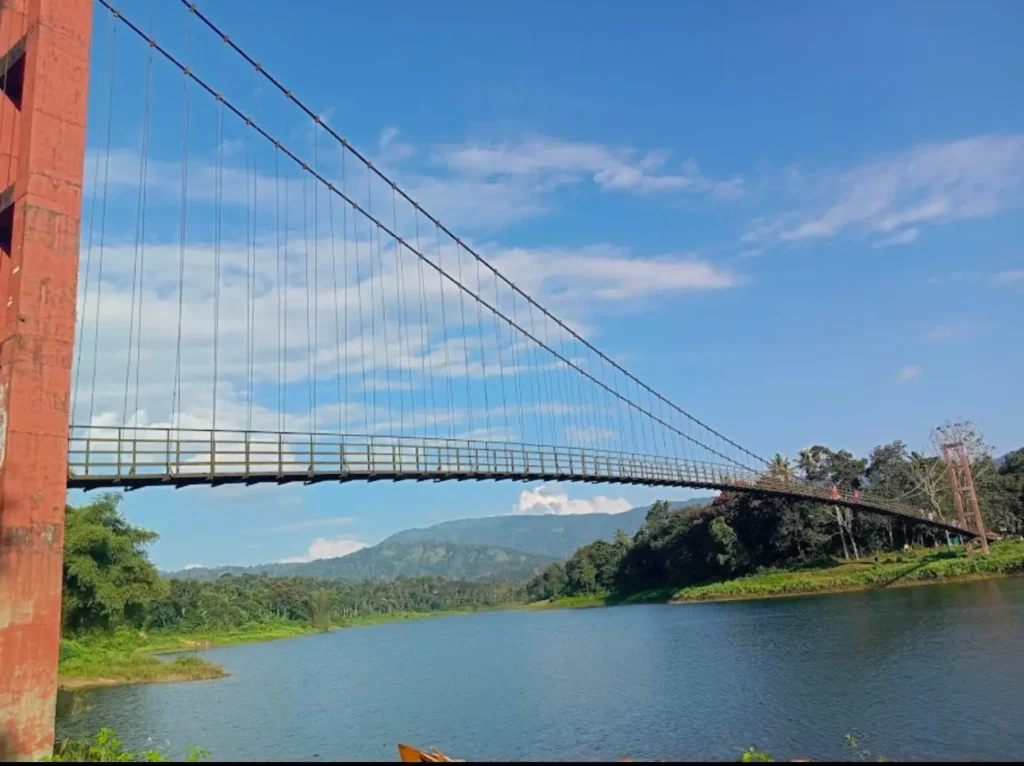
There’s a particular kind of quiet in Ayyappankoil that you don’t find in the busier corners of Idukki. Stand on the hanging bridge at dusk, watch the Periyar slide by beneath your feet, and it’s easy to assume this stillness has always been here. It hasn’t. Beneath that calm river lies a story of a village that disappeared, a community that refused to be cut off, and a bridge that now carries both people and memory across the water.
Add Your Heading Text Here
Long before Ayyappankoil became a name travelers search for on Google Maps, it was a working township home to families, farmland, and a temple already centuries old by the time the twentieth century arrived. Local accounts describe it as a fairly substantial settlement through the mid 1900s, with its own rhythm of life along the Periyar’s banks.
That rhythm changed in the 1960s, when Kerala began construction on what would become one of Asia’s largest arch dams the Idukki Hydroelectric Project. It was a massive undertaking, promising electricity for a growing state, and it required something the planners considered a fair trade: land. Large stretches of the Periyar valley, including parts of Ayyappankoil, were marked for submersion once the reservoir filled.
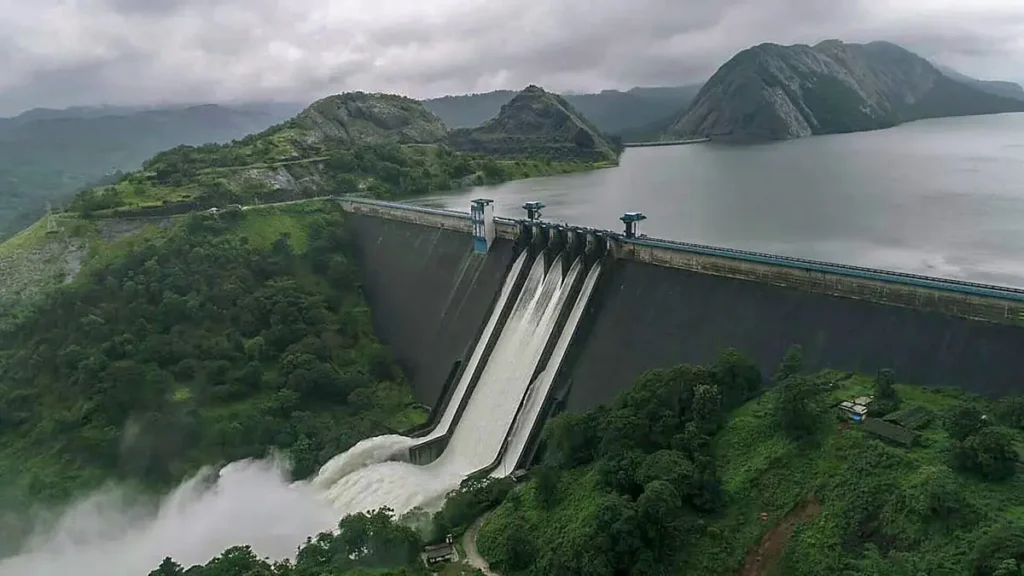
Families who had farmed and lived here for generations were relocated. Homes were left behind. Fields disappeared under water that would, in time, become one of the defining images of Idukki a still, deep reservoir framed by hills. For the people who once lived there, though, the dam wasn’t a postcard. It was the reason their world was split in two.
A Village Divided by the River It Once Stood Beside
Most tourist brochures don’t tell you this: when the water rose, it didn’t just cover the land — it split the village into two separate parts . Ayyappankoil and the nearby villages were now separated by water, with no easy way to cross to the other side. For many tribal families who relied on the area for their everyday lives, the separation was much more than an inconvenience. It made it harder to reach schools, markets, workplaces, and even relatives on the other side.
For decades, crossing meant relying on boats when the water allowed it, and waiting when it didn’t. During heavy monsoons, when the reservoir swelled with surplus water from the dam, the crossing became even harder sometimes impossible for days at a stretch.
The Bridge That Reconnected a Community
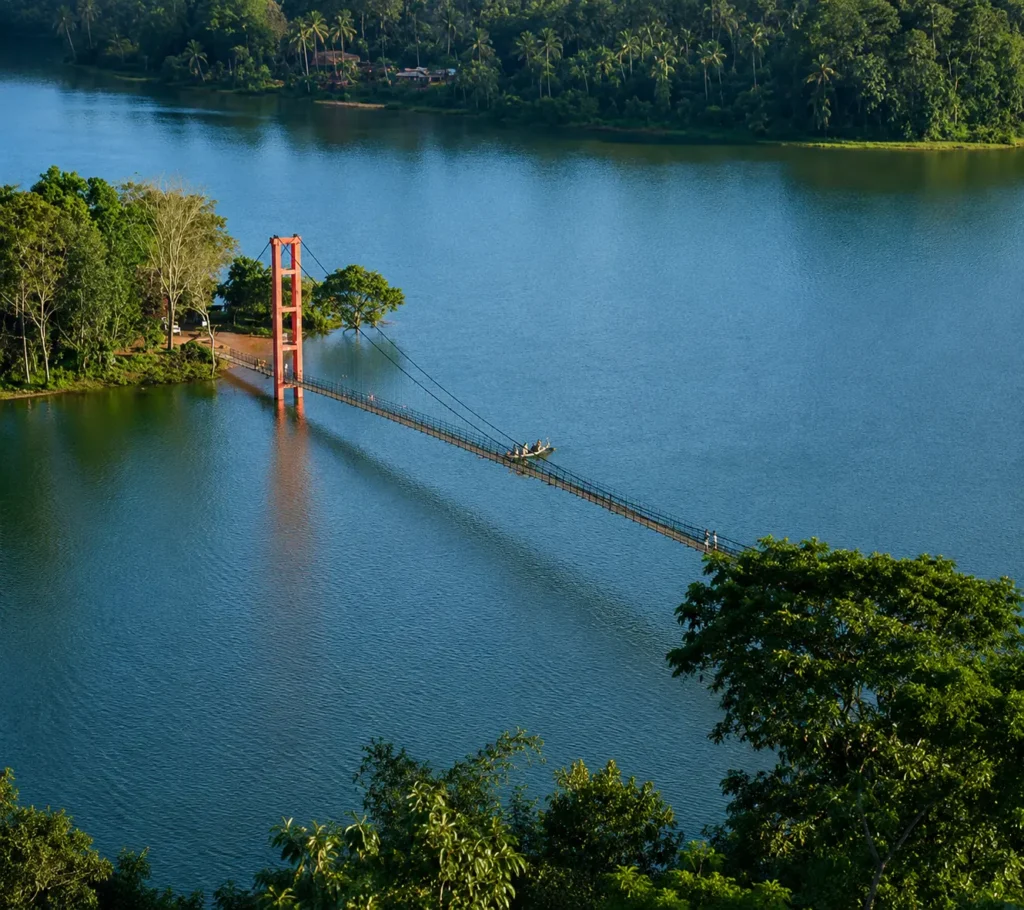
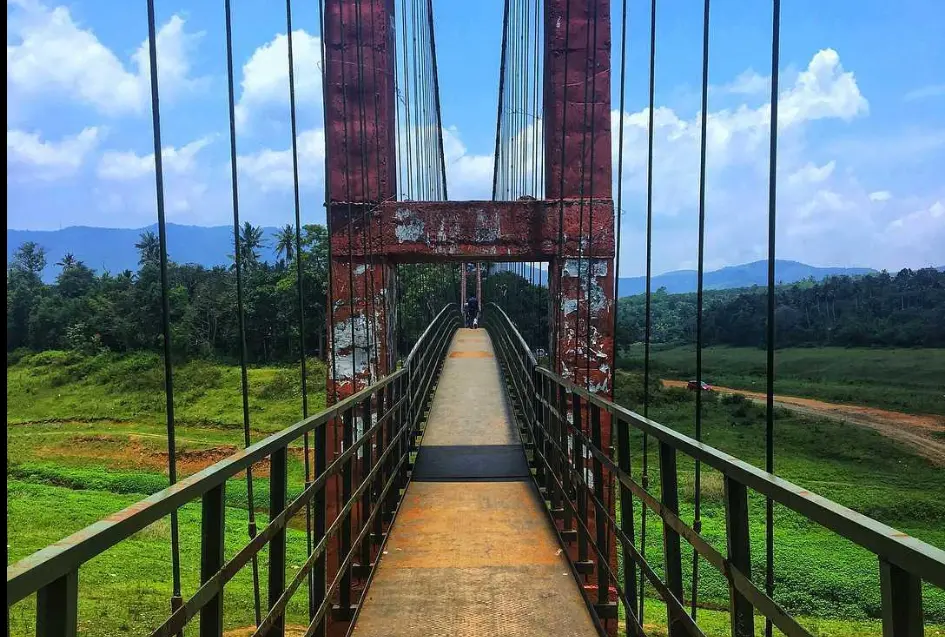
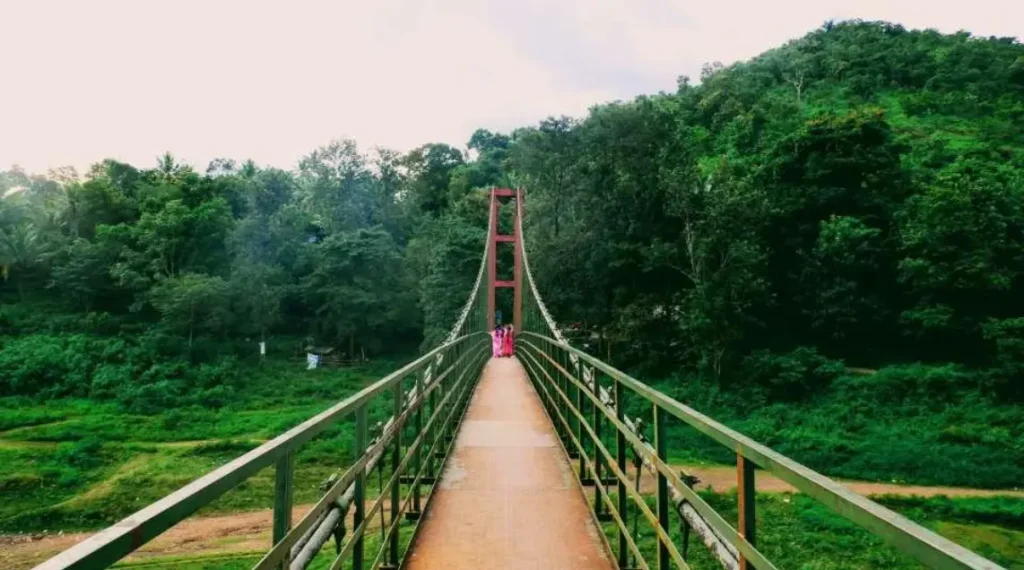
The solution, when it finally came, was as practical as it was striking. Authorities constructed a suspension bridge across the river to reconnect the Ayyappankoil and Kanchiyar panchayats the two communities the reservoir had split apart. Completed in the early 2010s, it stretches close to 200 metres across the water, making it one of the longest hanging bridges in Kerala.
What’s easy to miss, if you’re only there for a photo, is that this bridge was never built as a tourist attraction. It was built as a lifeline. Locals still use it every day carrying baskets to market, walking children to school, moving between the two banks the way people anywhere else might cross a street. The thrill a visitor feels walking across swaying cables over the Periyar is, for many residents, simply the walk home.
What This History Means for Visitors Today
Knowing this changes the way you experience Ayyappankoil. The hanging bridge isn’t just an adrenaline stop between Munnar and Thekkady it’s a monument to a community that adapted after losing its original ground, quite literally, to the water beneath your feet.
The nearby Ayyappankoil temple, believed by local tradition to be one of five ancient shrines linked to Lord Ayyappan, adds another layer to that continuity. Through relocation, submersion, and reconstruction, the temple and the faith around it remained a fixed point for a community whose physical landscape kept shifting.
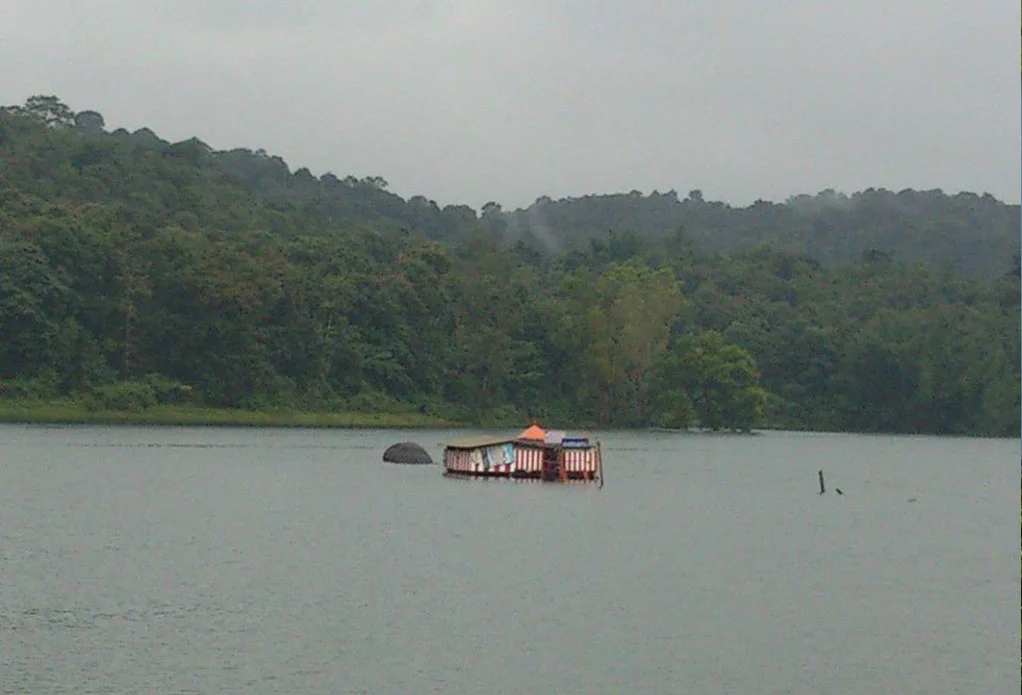
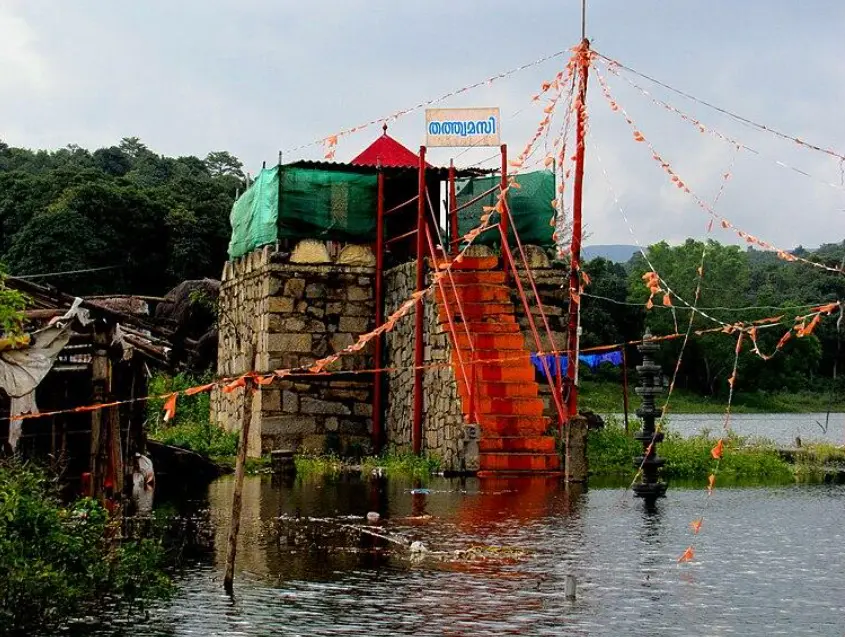
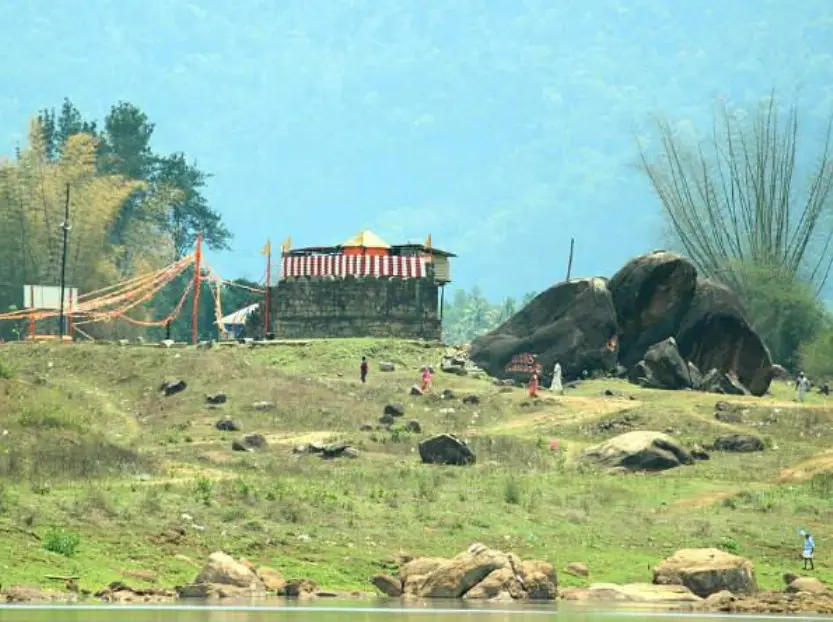
For travelers staying nearby, this story is worth remembering when you visit Ayyappankoil. When you take a boat across the Periyar, you are travelling over an area where people once lived and worked. During the monsoon, when the water rises and crossing becomes more difficult, you can get a small sense of how the river has shaped life in this area for generations.
Ayyappankoil is more than just a beautiful hanging bridge over the river. It is a place shaped by change, where a village was submerged and communities had to adapt to a new way of life. The bridge became an important connection between people and places.
If you visit, take some time to look beyond the usual photographs. Talk to local people, enjoy the river views, and learn a little about the history of the area. You may find that the most interesting part of Ayyappankoil is not only the landscape, but also the people and stories connected to it.
Planning a visit? Staying at a resort with swimming pool in Idukki near Ayyappankoil makes it easy to explore the hanging bridge, temple, and peaceful river surroundings while enjoying a comfortable and quieter stay in Idukki.